
Reading time: 8 min
Let me get one thing straight before anyone gets clever in the comments.
I do not currently use a dumb phone as my main phone.
I’m not doing the performative “I threw my smartphone into the sea and now I journal at sunrise” routine. I still own a modern smartphone. I paid full flagship money for it. It is absurdly powerful.
And here’s the problem.
I use it like a dumb phone anyway.
- Navigation.
- Calls.
- Occasionally WhatsApp.
- That’s it.
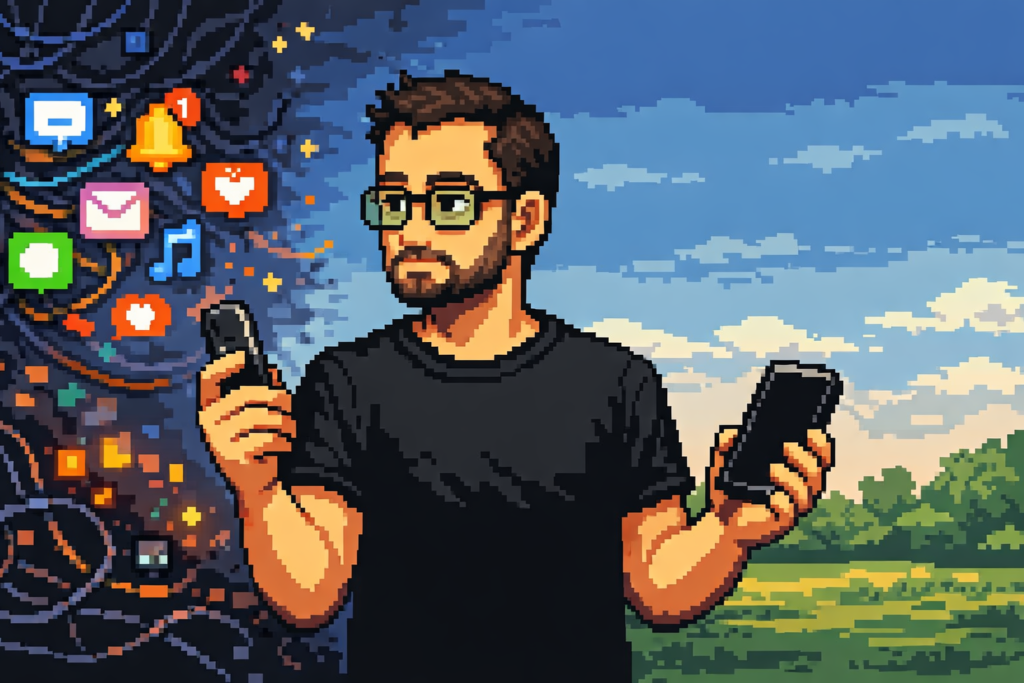
So when people talk about dumb phones making a comeback between 2024 and 2026, I don’t hear “nostalgia”. I hear people finally noticing the same thing I did a long time ago, accidentally.
Smartphones didn’t become essential.
They became excessive.
This trend isn’t about going backward. It’s about correcting an overcorrection.
The Dumb Phone Comeback Did Not Start With Aesthetics
Ignore TikTok for a second. It always shows up late and pretends it discovered things.
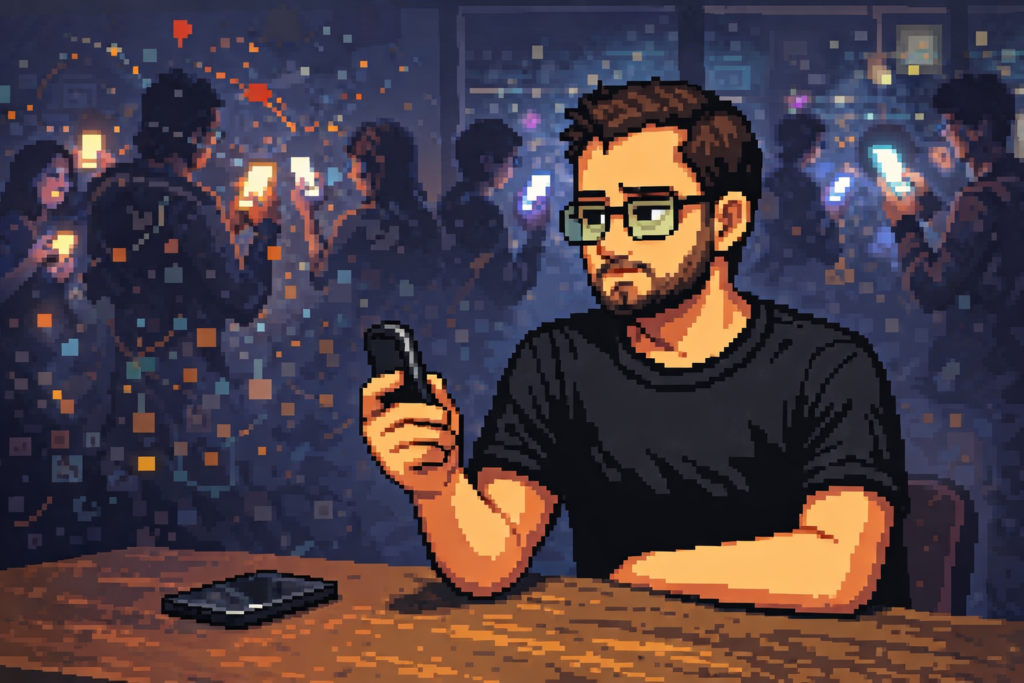
The dumb phone comeback started quietly around 2024, when people stopped just complaining about smartphones and started changing their behavior.
Not deleting apps.
Not turning on grayscale mode for three days.
Not installing wellbeing dashboards they ignore.
They started removing the device that causes the problem.
That’s an important distinction.
When people switch to dumb phones now, it isn’t symbolic. It’s practical. It’s not a statement. It’s an outcome.
People are burned out. Not in a poetic way. In a “my brain feels fragmented” way.
And the smartphone is the common denominator.
I Learned This Before It Was a Trend, and Not by Choice
Back in 2014, I was in med school in Simferopol, Crimea. Yes, that time. That place. It already felt like living inside a geopolitical footnote.
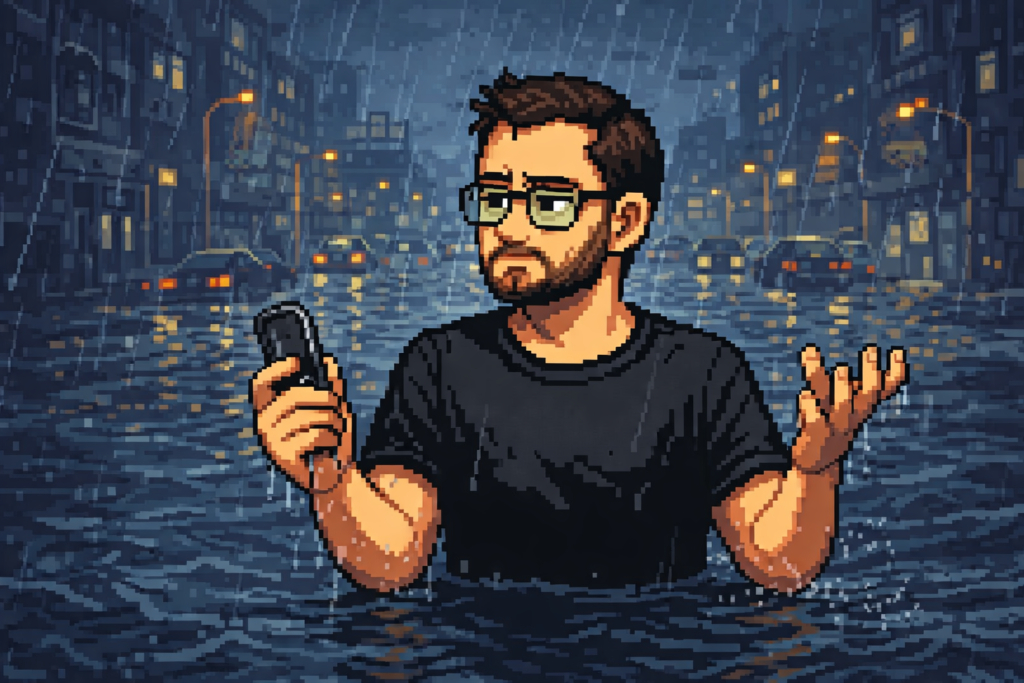
Then a tropical storm hit. A real one. The kind that floods cities instead of just ruining plans.
I was walking back from the university to the dorm when rain turned into water pooling, pooling turned into streets disappearing, and suddenly I was walking through water up to my waist.
My Android smartphone was in my pocket.
It died completely.
Now here’s what people don’t understand if they’ve never lived through supply constraints. Back then, replacing a smartphone was not “annoying”. It was close to impossible. Sanctions. Empty shelves. No easy imports. No online ordering to save you.
So I did what people actually do in those situations.
I went to a flea market. A bazaar. Folding tables and random tech.
That’s where I saw a Motorola Razr2 V8.
Metallic. Slim. Overengineered in the best way. I bought it immediately.
Part survival.
Part nostalgia.
As a kid, I had watched my cousin open a Motorola Razr V3 as a birthday gift. That design stuck with me. It felt futuristic back then. Untouchable.
What I didn’t expect was what came next.
The Dumb Phone Didn’t Make Life Harder. It Made It Easier.
This is where the narrative usually breaks for people.
Everyone assumes losing a smartphone is some kind of hardship arc.
It wasn’t.
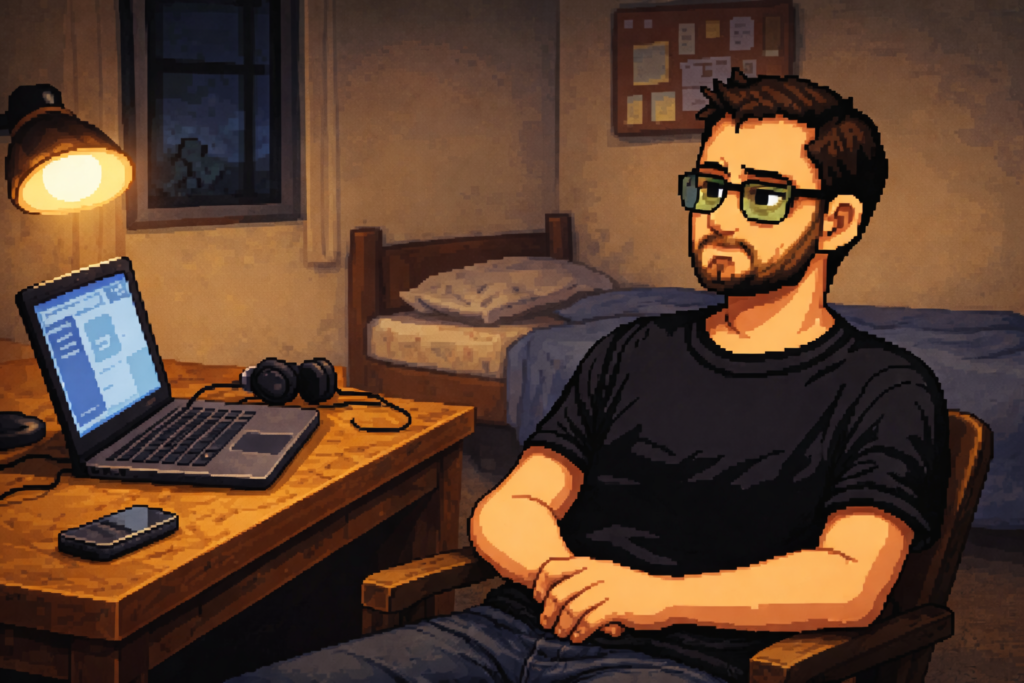
The Razr made my life simpler in ways I didn’t even have language for at the time.
I still had my laptop. I still contacted my family online. I still did what I needed to do.
But the phone itself?
- I didn’t text unless it mattered
- The battery lasted a full week
- Music was loaded once and forgotten about
- No notifications fighting for attention
- No background noise pretending to be important
- Photos? I didn’t care.
I’ve never liked phone cameras. I still don’t. If I want photos or video, I bring a real camera. Even back then I carried a Canon PowerShot A1400 everywhere. Proper lens. SD cards for days. 720p at 60fps when phones were still pretending VGA was acceptable.
I never worried about storage. Ever.
Today it’s the same philosophy. I still buy cameras. I still carry them intentionally. I don’t take fifteen identical photos in a bathroom like I’m documenting human history, delete fourteen, keep one, then delete it a year later because storage is somehow full again.
I used that Razr for an entire year.
Not because I was proving anything.
Because it worked.
Fast Forward to 2025-2026: Same Conclusion, Different Path
I never fully went back to “normal”.
Today, I still own a modern smartphone. And here’s the unglamorous truth.
I massively overbought.
I paid for:
- Cameras I don’t use
- Performance I don’t touch
- AI features I actively disable
- A screen designed to consume content I avoid
What do I actually use it for?
- Calls.
- Google Maps.
- The occasional clips from time to time.
That’s it.
I basically bought a walkie-talkie with a flagship chipset. A glorified cordless landline that needs charging every day and occasionally wants my attention for no good reason.
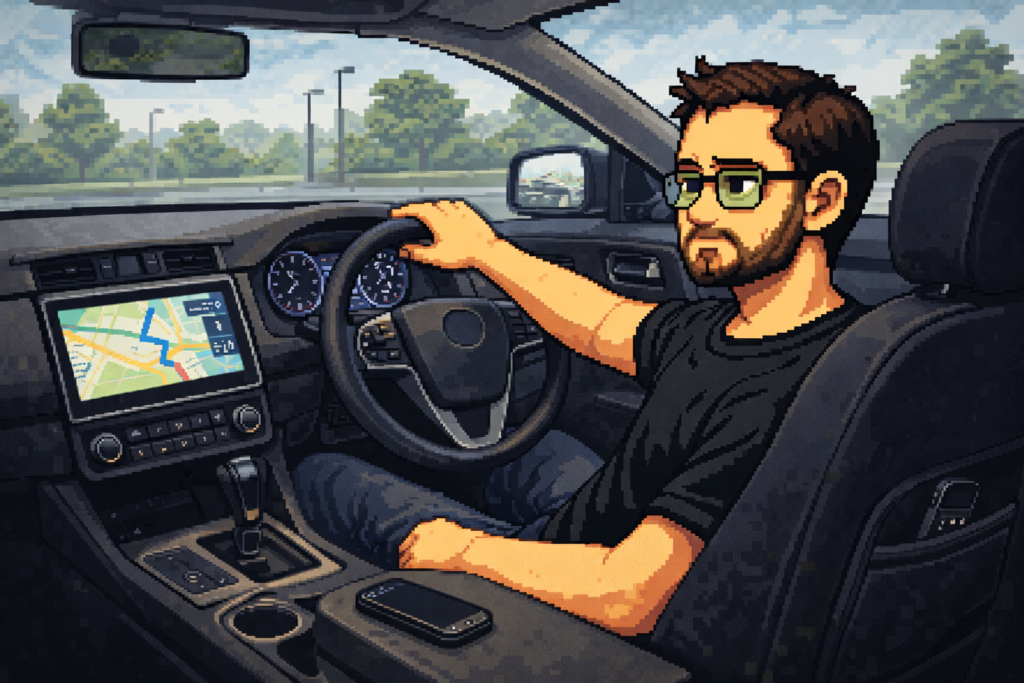
I also keep a dumb phone fully charged in my car at all times. Not as a vibe. As a backup. Because reality exists, and phones die at the worst times.
My average smartphone usage is around three hours a day, and about one hour of that is navigation. Which my car infotainment already handles anyway.
Functionally, I could remove my smartphone tomorrow and my life would continue.
That realization is exactly why this trend exists.
Why Dumb Phones Are Making a Real Comeback (2024-2026)
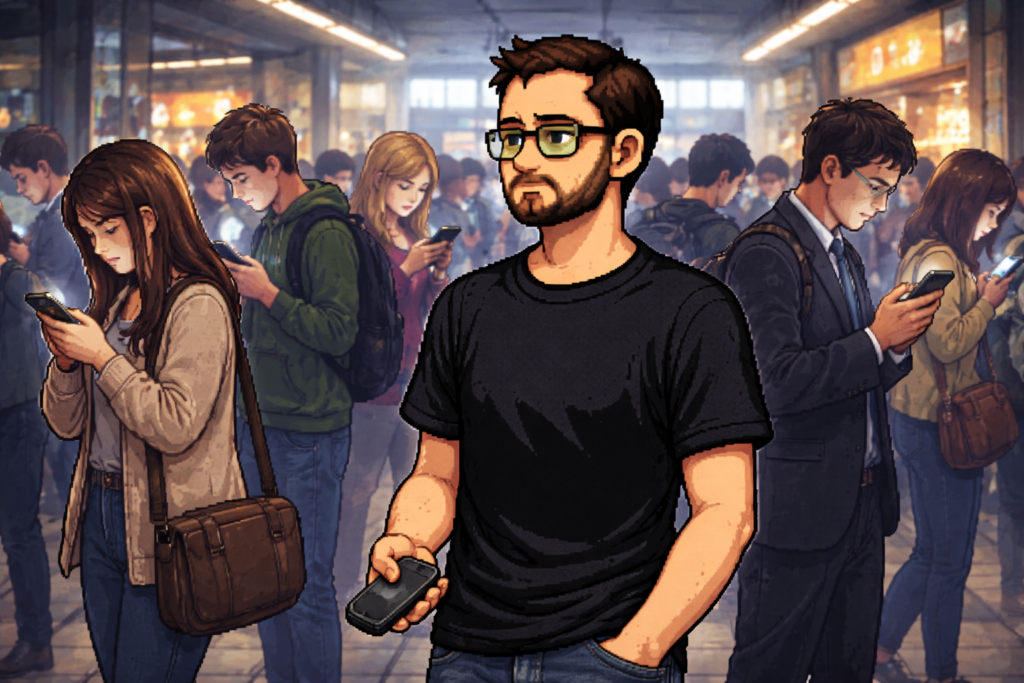
This is not nostalgia. Let’s kill that idea properly.
Nostalgia doesn’t scale. Nostalgia doesn’t last two years. Nostalgia doesn’t show up quietly across different age groups.
This comeback is happening because dumb phones solve modern problems.
1. Smartphones overshot their purpose
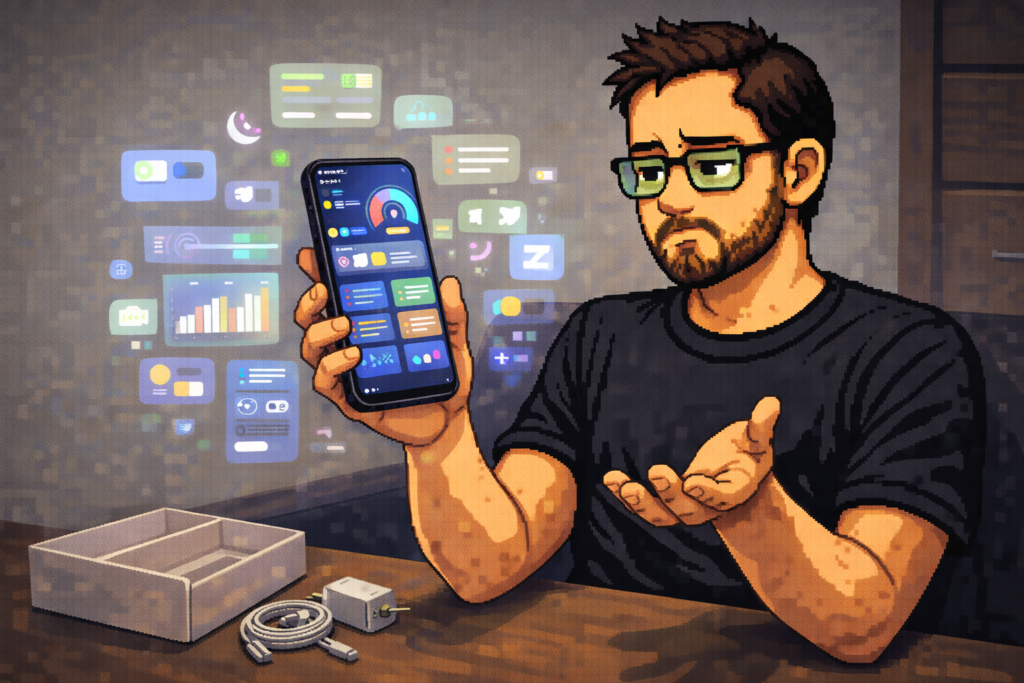
Phones used to exist for communication.
Somewhere along the line, they became:
- Entertainment hubs
- Social validation machines
- Work leashes
- Attention farms
Most people don’t need that.
They need:
- Calls
- Messages
- Emergency reachability
Everything else is optional, yet sold as mandatory.
2. Digital wellbeing features don’t work
Let’s be honest.
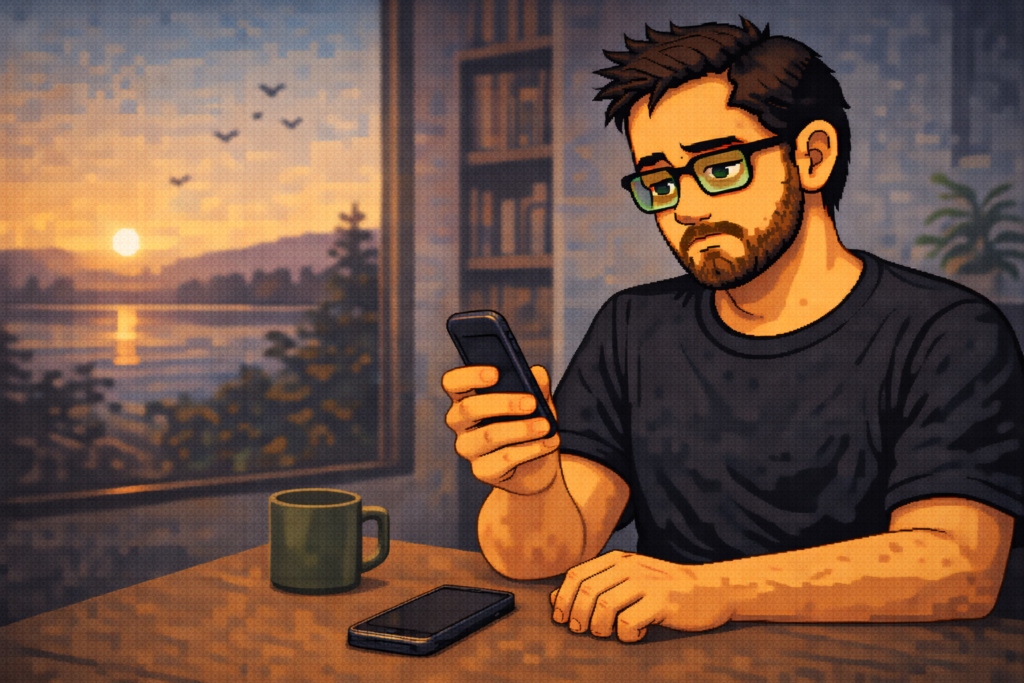
If someone needs an app to stop using their phone, the phone already won.
Grayscale mode doesn’t stop addiction.
Screen time reports don’t stop behavior.
Notifications grouped politely are still notifications.
Dumb phones don’t rely on self-control. They rely on design.
You can’t scroll what doesn’t exist.
3. People already live dumb-phone-compatible lives
This is the quiet part.
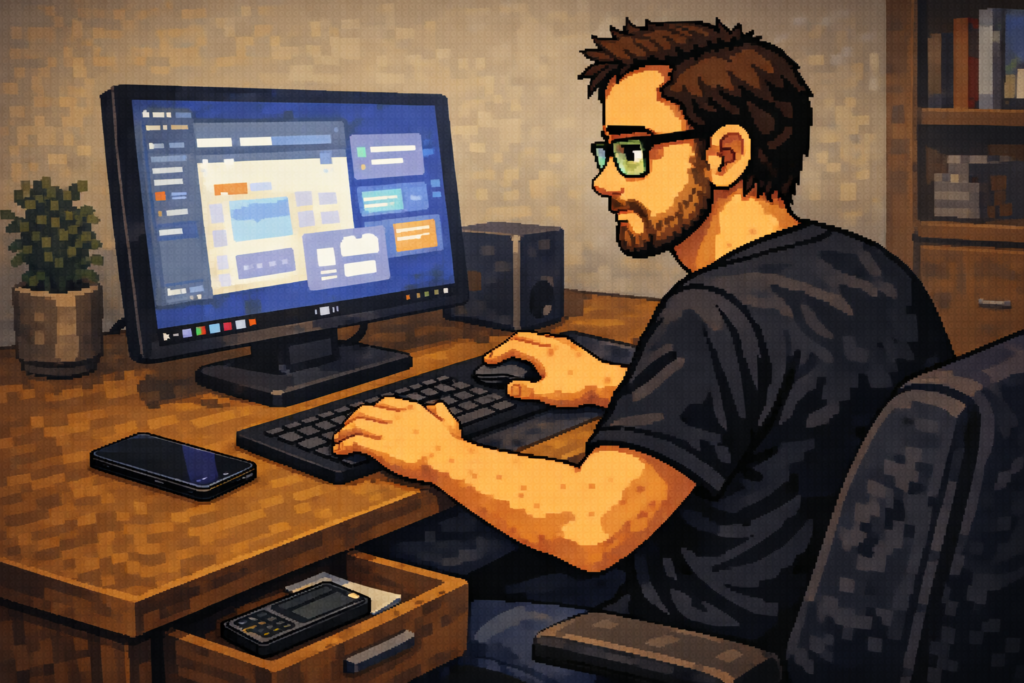
Most real work happens on:
- PCs
- Laptops
- Dedicated devices
Phones are supplementary. Communication tools. Navigation tools.
Once people realize that, keeping a smartphone in their pocket all day becomes optional instead of essential.
4. Overbuying fatigue is real
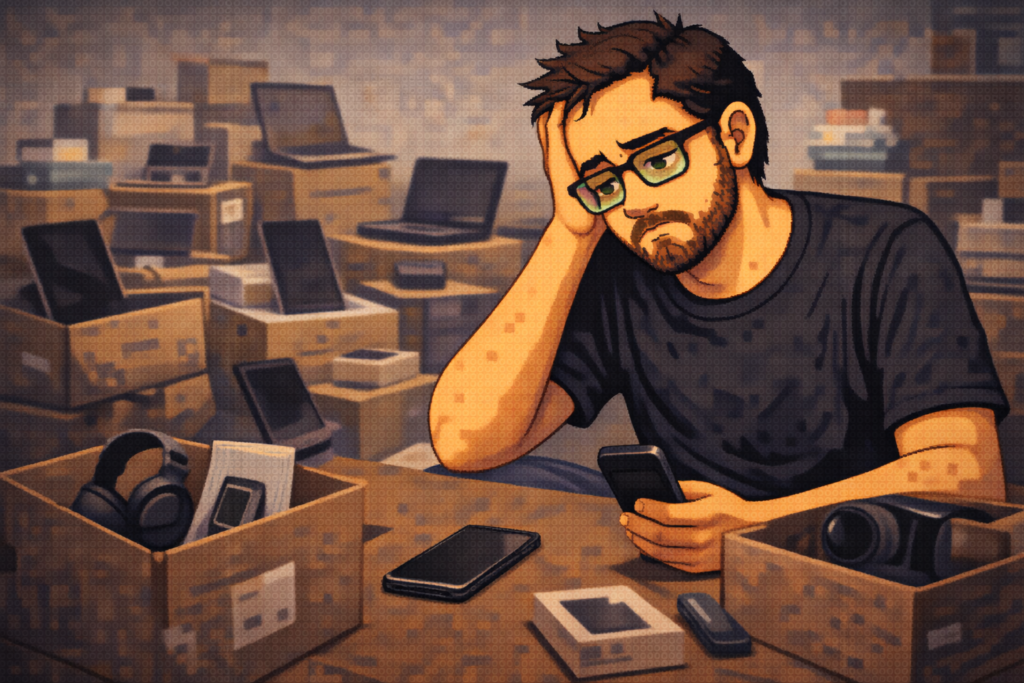
People are tired of paying flagship prices for unused features.
They’re tired of yearly upgrades for marginal gains.
They’re tired of specs that mean nothing to how they actually live.
They’re tired of devices that demand more attention than they give value.
Dumb phones are cheaper, quieter, and honest about what they do.
I Keep Old Phones Because They Understood the Assignment
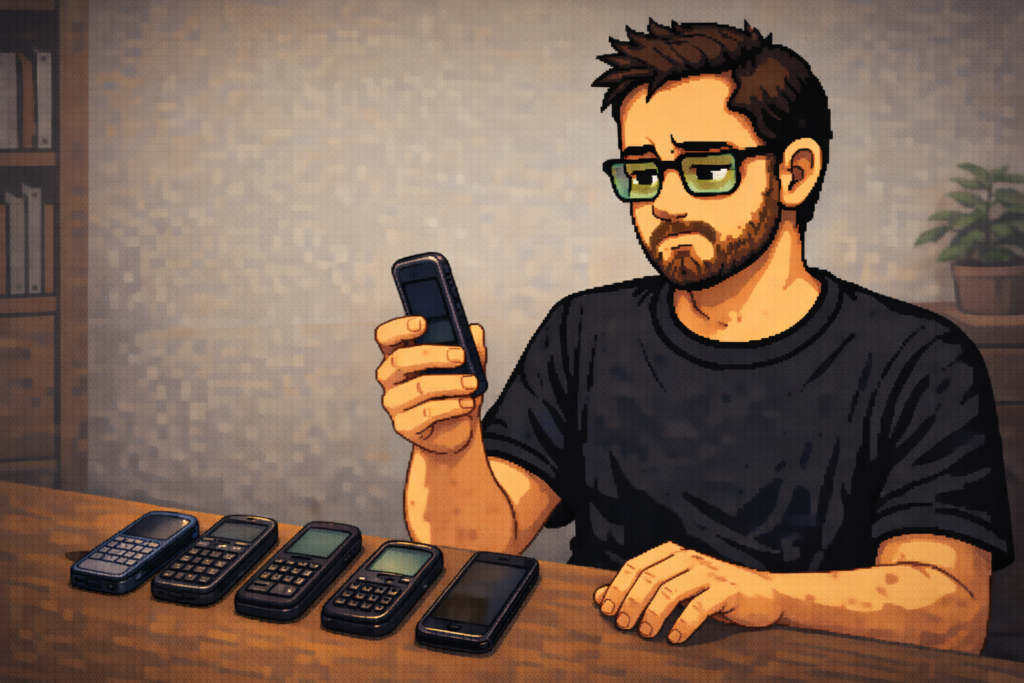
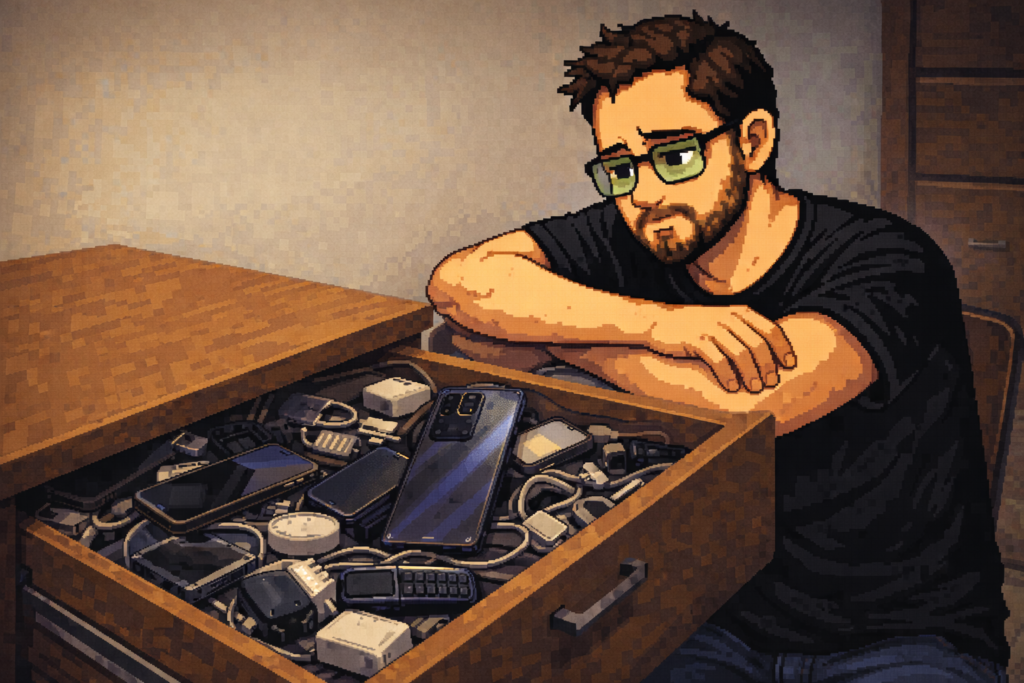
I have a small phone collection at home.
Phones like a Nokia E61, N95, E60, and others.
I don’t keep them as museum pieces. I keep them because they represent a design philosophy we lost.
Those phones:
- Had physical buttons you could use without looking
- Had replaceable batteries
- Had clear identity and purpose
- Didn’t pretend to be your entire life
In my opinion, they are closer to the future than modern smartphones.
Not technologically.
Mentally.
Important Clarification: I’m Not Anti-Smartphone
This matters.
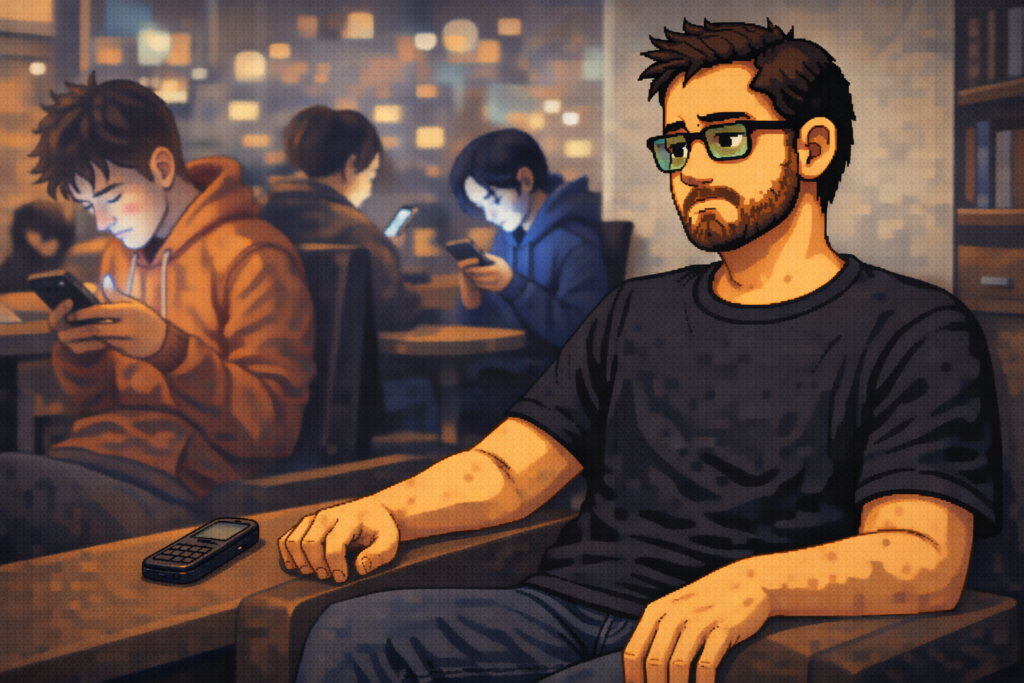
I’m not saying everyone should throw their smartphone away.
I’m not saying dumb phones are morally superior.
I’m not pretending they’ll fix society.
I’m saying the default assumption that everyone needs a smartphone at all times is collapsing.
And that’s healthy.
Choosing a dumb phone in 2025-2026 isn’t rebellion. It’s boundary setting.
Who This Movement Is Actually For
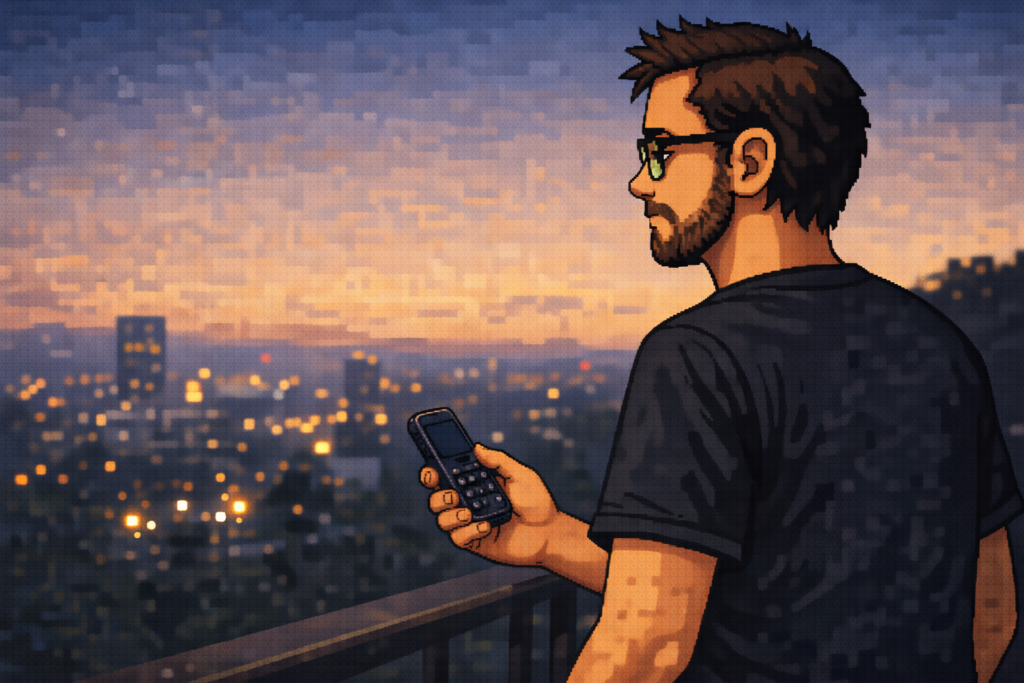
Let’s be specific.
This is not for:
- Influencers
- People whose income depends on mobile social media
- Anyone who panics when unreachable for 20 minutes
This is for:
- People who already work on computers
- People tired of being interrupted
- People who want to stop overbuying tech
- People who treat devices as tools, not companions
Why This Trend Will Hold Past 2026
Trends die when they’re aesthetic.
This one isn’t.
As long as smartphones continue adding:
- More AI
- More noise
- More “features” nobody asked for
There will be people choosing the opposite.
Quietly. Without announcements. Without hashtags.
They’ll just stop carrying the problem.
Where I Personally Stand Right Now
I’m not pretending I already switched.
But I’m considering it seriously, for the first time in years.
- Because I already use my smartphone like a dumb phone.
- Because I already proved I don’t need it.
- Because I already know what life looks like without one.
And once you know that, the question isn’t “why would you switch?”
It’s “why am I paying for all this extra nonsense?”
Final Thought
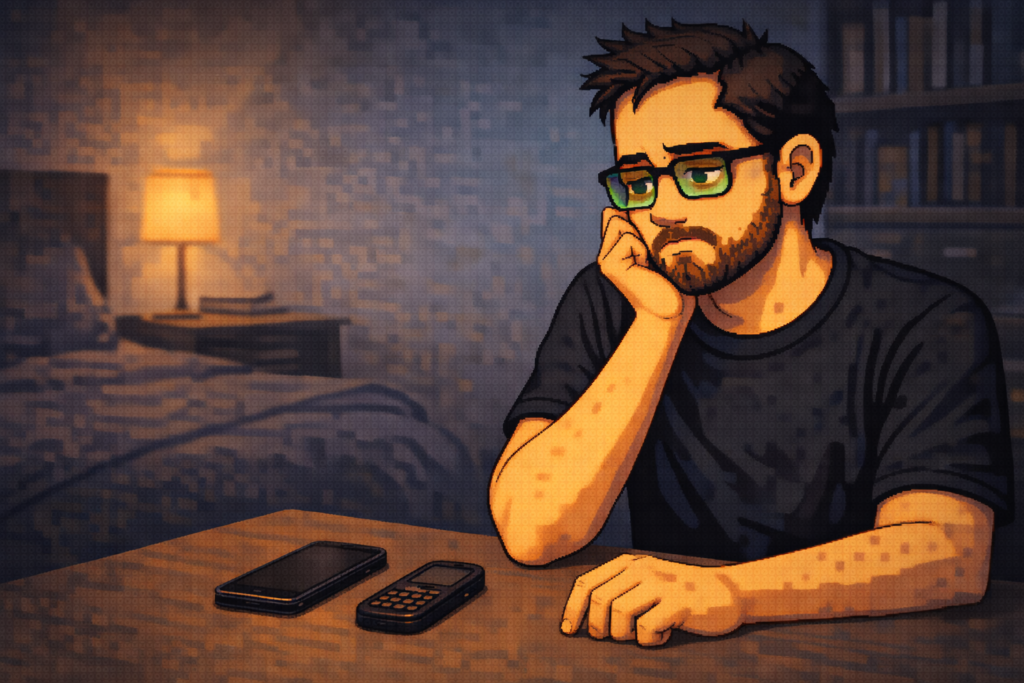
Dumb phones aren’t the past.
They’re a correction to excess.
A response to overload.
A reminder that not everything needs to be smart to be useful.
A phone doesn’t need AI.
It doesn’t need 8K video.
It doesn’t need to predict my thoughts.
It needs to ring when someone calls.
Everything else is optional.
And more people are finally acting like it.
Hey! You know what also lasts forever and is making a comeback as well? Older Cars.
And I objectively think they are better than newer cars by a long shot!
Interested? Read this: Why Older Cars Are Better Than New Cars