There is something deeply ridiculous about watching gaming technology become more impressive while the experience of buying and keeping games becomes more irritating.
We have better screens, faster hardware, enormous worlds, and handhelds that would have looked like science fiction when I was a kid. Yet somehow, alongside all that progress, we are discussing whether games should interrupt us with fucking ads and whether buying a physical copy should even remain an option.
Excellent. We finally have the technology to render individual nose hairs, and someone is working out how to make us watch an ad between quests.
That is the future I am supposed to be excited about?
Meanwhile, I keep looking at older consoles, older games, and modern emulation handhelds. Judging by the prices and availability I have been seeing, plenty of other people are looking too. It makes me wonder whether going backwards is becoming a perfectly sensible response to where parts of this industry are heading.
Sony is removing an option I still care about
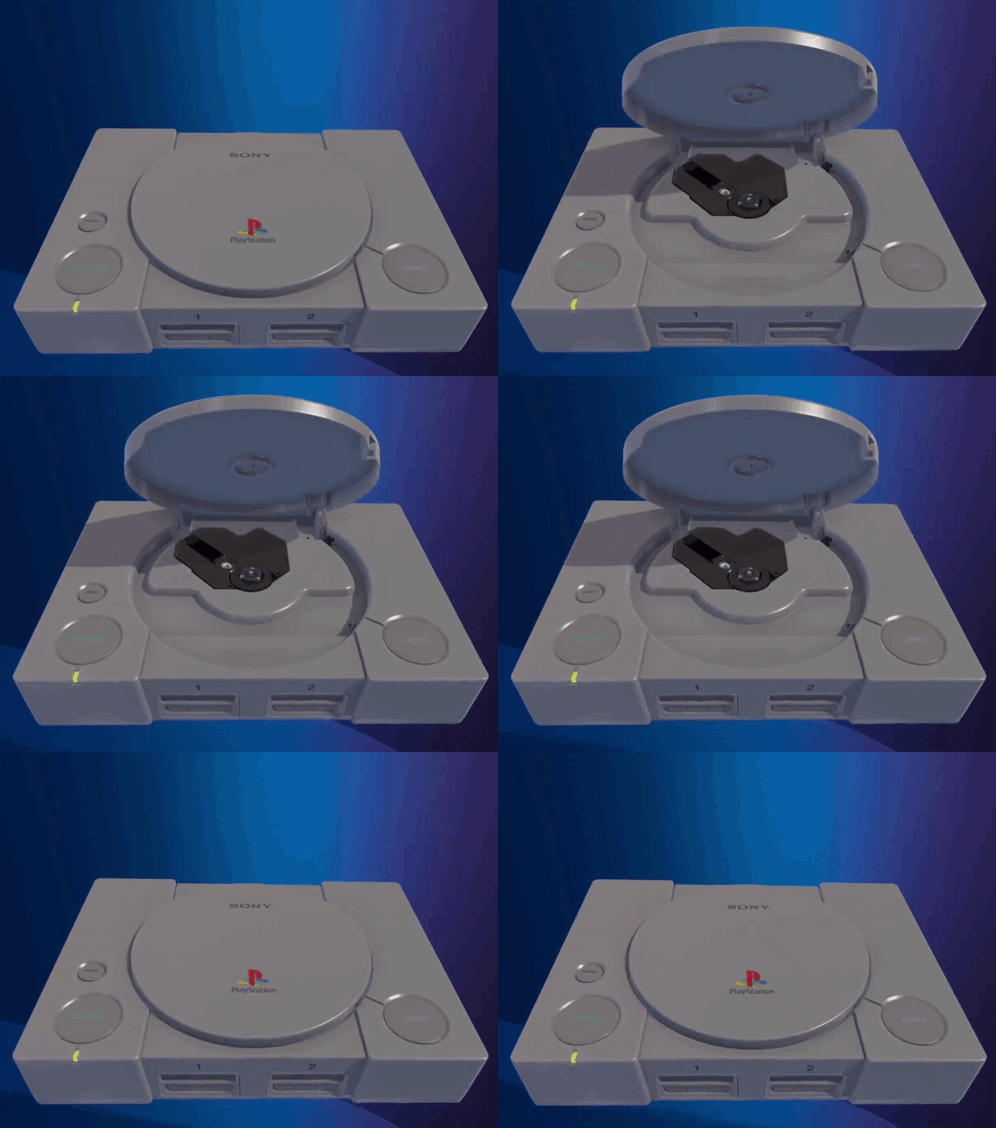
Sony announced that physical disc production for new PlayStation games will end in January 2028. Its announcement says this applies to new releases on PlayStation consoles, while games released on disc before that date are unaffected. Existing discs are not suddenly becoming coasters.
Still, that is a substantial door closing.
I understand why people buy digital games. You buy something, download it, and launch it without getting off the sofa. For people who move frequently or have limited space, a shelf full of plastic cases might be the last thing they want. Fair enough.
But I also understand why people want discs. You can lend one to your brother, sell a game you finished, buy a used copy, or shop around among retailers. You have something sitting in your house that does not disappear from your shelf because a storefront changes its catalogue.
Removing that choice means players lose a way of participating in gaming that matters to them. Calling it an adaptation to consumer preferences does not make that loss less real.
Digital purchasing being popular does not mean everyone who uses it wants the alternative abolished. I order food sometimes. That does not mean I want someone to confiscate my fucking stove.
The ads idea makes the direction harder to ignore

Then there is Microsoft’s recent patent application for a system that connects advertisements with access to gameplay. It describes ways of identifying suitable breaks and allowing players to earn uninterrupted playing time by watching promotional content.
Before anyone runs off screaming that every Xbox game is about to become a television channel, a patent application is not a product announcement. It does not establish that this system will launch, or that it will appear in every game you buy.
That distinction matters. There is enough to criticise without making things up.
Nevertheless, the proposal is worth discussing because it treats uninterrupted play as something that can be rationed and earned through advertising. The time between advertisements becomes part of the product.
I can see the argument for someone choosing an advertising-funded service because it lowers the cost of access. People have different budgets. An optional arrangement could suit someone who would otherwise be unable to play.
My concern is where the boundary ends up. If this kind of system arrives, what gets sold as an optional compromise today, and what becomes the normal experience tomorrow? That is a question, rather than a prediction, but I would rather ask it before the answer appears on my screen.
Older games offer a different relationship with your time
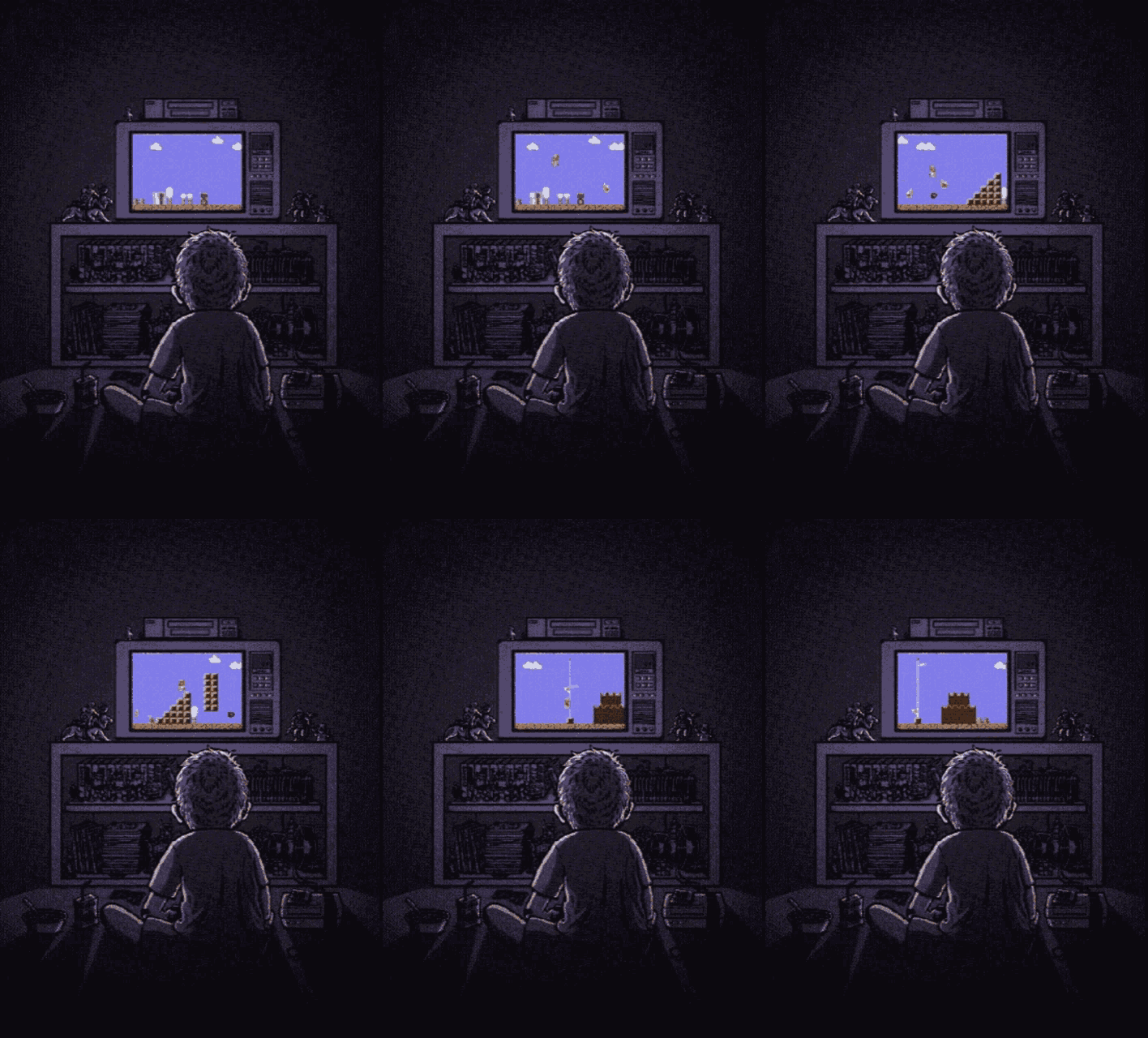
When I think about returning to older gaming, I think about the experience of sitting down and getting on with it.
A game can be difficult, frustrating, badly explained, or occasionally broken. I have played enough older games to know they were not delivered by angels. Some controls feel like trying to steer a shopping trolley with one missing wheel.
But a self-contained game has an appealing quality: it is there when you want it, and it waits when you do not.
You can finish it over a weekend or leave it alone for six months. The important part is that taking a break does not have to become a decision about missed rewards, an expiring pass, or keeping pace with a season.
For someone with work and a family, that matters. I already have obligations. Gaming is supposed to fit into the time I have left, rather than invent another attendance policy for me.
There is pleasure in playing something because you feel like playing it. It sounds embarrassingly basic, but that freedom becomes easier to appreciate when an entertainment product keeps asking you to come back on its schedule.
Rising retro prices need a little context
I have noticed price increases on older gaming hardware and games. It is tempting to look at those prices and say everyone is coming back to retro gaming.
Maybe more people are interested. But prices alone cannot tell us how many people are returning, or what they intend to do once they buy something.
Original hardware is a finite resource. Consoles break, controllers wear out, and clean examples become harder to find. Collectors may pay extra for a complete box or a particular revision. Sellers may also see an expensive listing and decide their dusty console is suddenly a retirement fund.
An asking price is especially weak evidence. Someone advertising an old console for a ridiculous amount does not mean anybody actually paid it.
There is also a difference between collecting and playing. A person buying a pristine boxed game for display and a person buying a battered working console for weekend use are participating in different ways.
So I would describe my observations as signs worth investigating. To establish a broader movement, I would want comparable completed sales over time and evidence of actual player behaviour. Otherwise, enthusiasm can turn into a confident claim the numbers never supported.
Modern handhelds make the old catalogue easier to enjoy
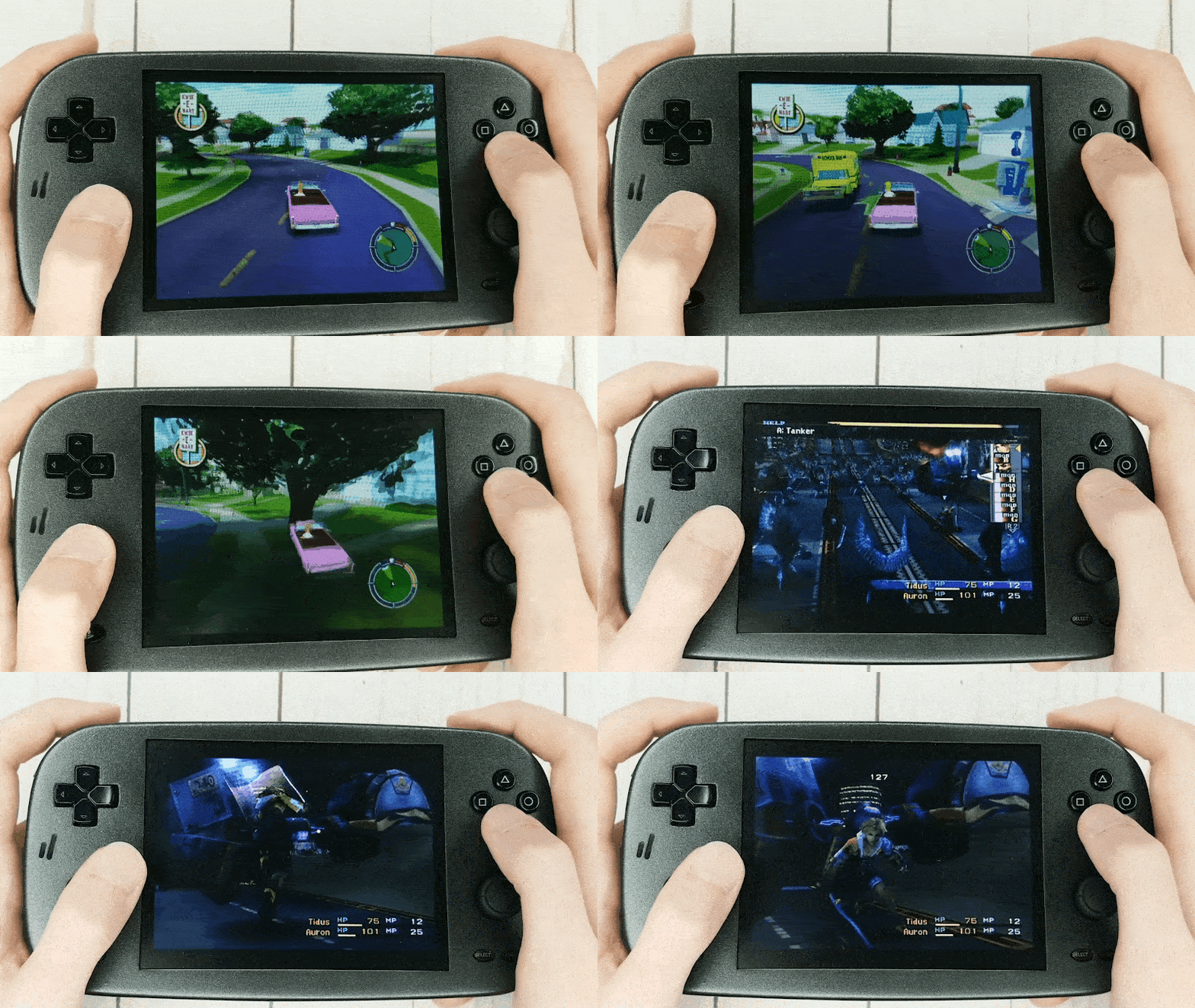
Devices such as the AYN Thor and Retroid handhelds add another dimension. They make older gaming attractive without requiring everyone to rebuild a childhood bedroom full of consoles and cables.
At the time of checking, AYN’s Thor listing advertised its seventh preorder batch and described the selected configuration as backordered. Retroid’s storefront also displayed sold-out labels across numerous handheld listings.[3][4]
That supports the availability problems people are seeing. It does not reveal sales volumes or prove a mass departure from PlayStation and Xbox. A small production run can sell out just as thoroughly as an enormous one.
What interests me more is the combination itself. People are buying contemporary hardware to play older games. They want modern portability, screens, and controls alongside access to an earlier catalogue.
That makes sense. Plenty of us remember the games fondly without wanting every inconvenience of the original setup. Being able to revisit them on a handheld changes when and where they fit into everyday life.
It also makes discovery easier. Your interest in an older game does not have to begin with a childhood memory. Sometimes you simply missed it the first time, and now there is a convenient way to see what everyone was talking about.
The escape route is getting expensive too

Unfortunately, a new retro handheld still has to be manufactured using components from the present.
AYN has announced price increases for its handhelds, and reporting on later Odin 3 increases links them to chipset and memory costs.[5] Buying something for emulation does not detach it from the economics affecting other electronics.
This creates an awkward situation. Original hardware can become expensive because good examples are limited. Modern alternatives can become expensive because their components cost more.
The sensible response is to decide what you actually want to play before buying anything. A device capable of running much more demanding software is not automatically better value if you mainly want games that need far less power.
It is easy to recreate the upgrade treadmill inside retro gaming. You start out wanting to play a few favourites, then somehow spend your evenings comparing specifications for your third handheld.
At that point, the hobby risks becoming buying machines that could play games instead of actually playing the damn games.
Physical copies and preservation still require scrutiny
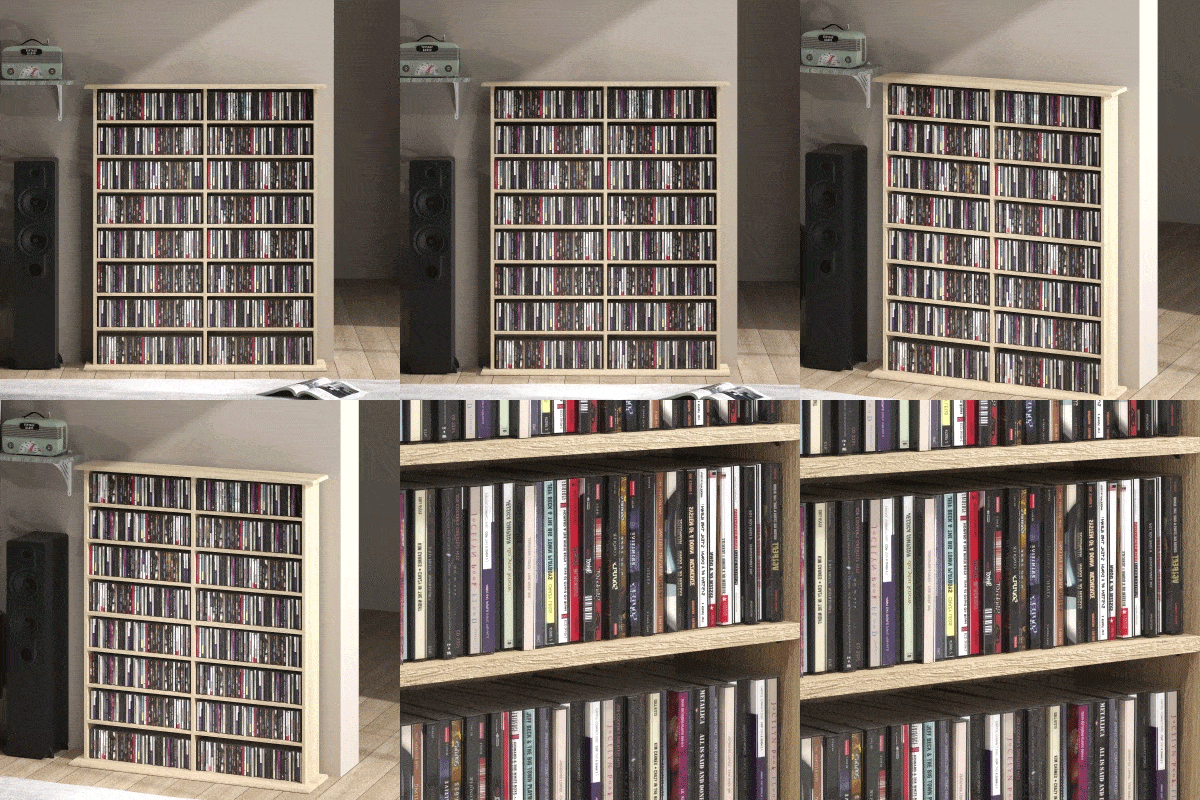
I also do not want to pretend a plastic case solves every problem. A physical copy is useful, but the practical question is what it contains and what the game needs to run.
If essential content must be downloaded, or access depends on a remote service, the disc alone cannot guarantee a complete playable experience indefinitely. A shelf can preserve an object more easily than it preserves a server.
The same caution applies when discussing emulation. It can help older software remain accessible, but a handheld is not automatically a complete preservation solution. Compatibility, game files, firmware requirements, and the condition of the software still matter. AYN explicitly says the Thor comes without games preinstalled.[3]
What I value is a game that can keep functioning locally, with the necessary files available, on hardware I can maintain or replace. Physical media can contribute to that. So can a digital release designed to work independently.
That is the standard I would rather judge purchases against. How much of the experience can I actually keep using when the company moves on?
Modern gaming still has plenty worth playing
None of this means every new game is a miserable exercise in monetisation. That would be an easy argument to write and a stupid one to defend.
There are modern games I want to play, and there will be more. New technology enables experiences older hardware could never deliver. Developers still make games because they have something interesting, entertaining, or strange they want people to experience.
I do not need to reject those games to appreciate older ones. Nor do I need to pretend every release from my childhood was a masterpiece. Some were shit then, and higher resolution will not perform an exorcism.
The useful distinction is how a particular game fits into your life. Can you play at your own pace? Does the purchase offer an experience you consider complete? Are its dependencies and ongoing costs acceptable to you?
Those questions work across generations. They let you keep enjoying new releases while being more selective about the arrangements attached to them.
Where I think gaming goes from here
My expectation is that different approaches will continue alongside one another. Some people will happily choose subscriptions, streaming, and possibly advertising-funded access. Convenience and affordability can outweigh the compromises for them.
Others will become more deliberate about offline access, physical collections, and the ability to keep using what they bought. Older games and emulation handhelds could occupy more of their playing time. That is my interpretation of the appeal, rather than a measured forecast of market share.
Personally, I see no obligation to follow every new generation just because it arrives. There is already an enormous amount of gaming I have not experienced. Going through it is a choice about enjoyment, not an admission that I have fallen behind.
If a new game earns my interest and offers an arrangement I am comfortable with, good. If an older one gives me a better evening, that is where I will spend my time.
The industry can keep talking about the future. I will keep asking whether that future improves the experience of actually playing. Better graphics are welcome. Better access is welcome. More control over what I pay for is welcome.
And if the sales pitch starts sounding like permission to play between commercials, I have a perfectly serviceable alternative: turn on something older and enjoy my fucking evening.