
Metal Gear Survive Did What MGSV Couldn’t

Reading time: 7 min
Note:
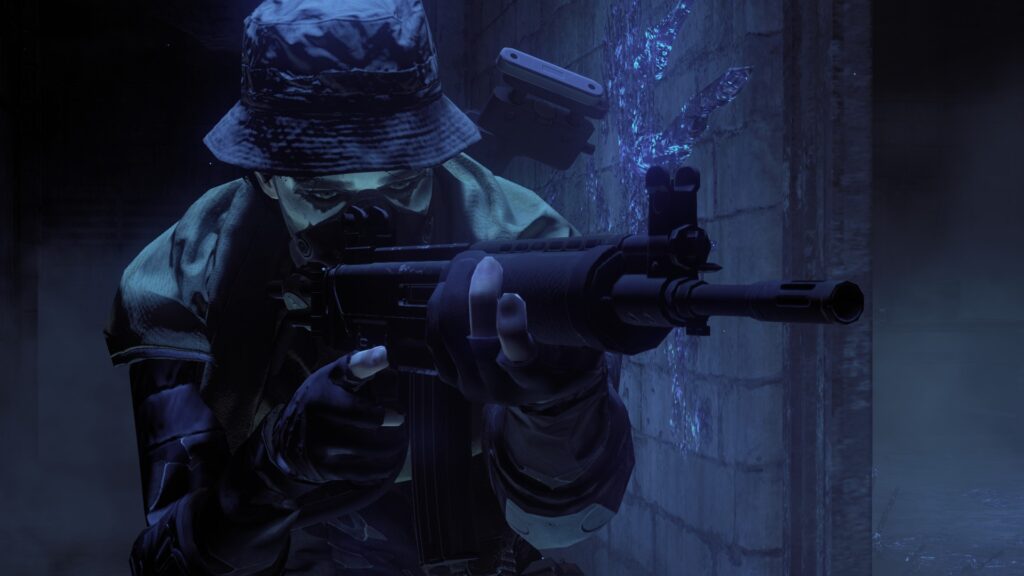
All images in this blog are sourced from the Steam community.
This is my way of giving a nod to the small group of players still holding the line in Metal Gear Survive.
Not a big community… but a loyal one.
I tip my hat to you.
You’re the ones who kept this game alive.

Now…
There are games people hate because they’re bad.
And then there are games people hate because they were told to hate them.
Metal Gear Survive sits comfortably in the second category.
It’s one of the most clowned-on games in the Metal Gear franchise. Mention it in any comment section and you’ll get the usual reaction: laughing emojis, “cash grab,” “zombie trash,” and someone typing “Kojima would never.”
And yet… I actually played it.
Not watched a YouTube rant.
Not skimmed Reddit opinions.
Actually sat down and played the damn thing.
For 220 hours.
Yeah. Let that sink in.
You don’t accidentally spend 220 hours on a “trash game.”
You don’t keep coming back, building, defending, optimizing, and surviving in something that’s fundamentally broken.
And here’s the part that makes people uncomfortable:
Metal Gear Survive is a good game.
Not a masterpiece. Not revolutionary. Not something you’ll tell your grandchildren about.
But a good, solid, functional game.
And more importantly, it did something that Metal Gear Solid V completely failed to do:
It finished what it started.
The Hate Came Before the Game
Before Survive even released, it was already dead in the water.
This wasn’t just another spin-off. It came right after the Kojima vs Konami fallout, which basically turned the entire internet into a courtroom. And the verdict had already been decided.
- Konami = bad
- Kojima = genius
- Survive = insult to humanity
That was it. Case closed.
Then Konami made it worse, because of course they did.
- Always-online requirement? Check.
- Microtransactions in a full-price game? Check.
- “Metal Gear… but zombies”? Of course.
At that point, the game didn’t even need to be bad. People had already decided it was.
So Survive launched into a situation where nobody was actually judging the game. They were judging everything around the game.
And that’s where things went sideways.
The Game Nobody Bothered to Understand
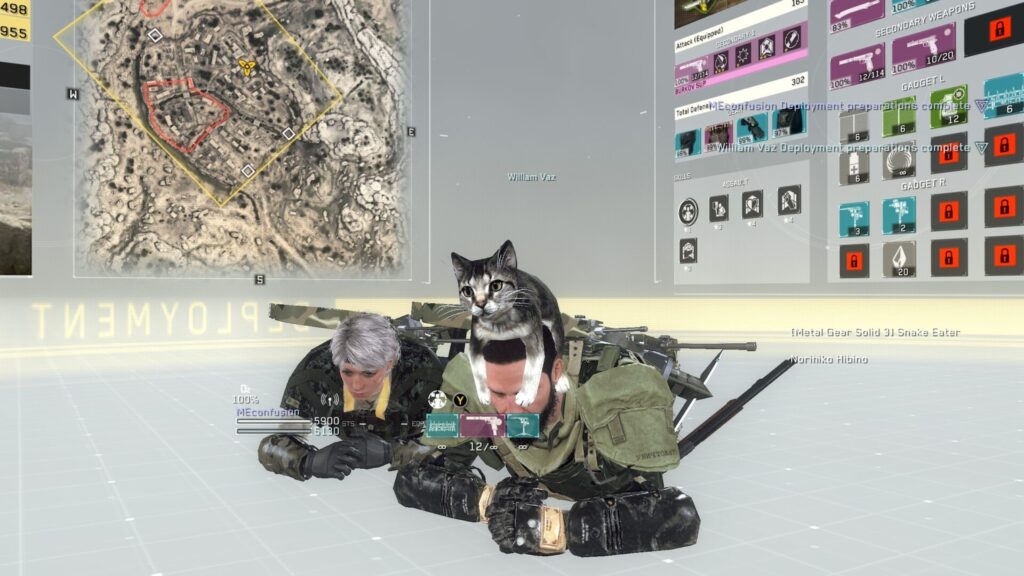
Let’s strip away the noise for a second.
Metal Gear Survive is not a stealth game. It’s not trying to be Metal Gear Solid 3 or 4. It’s not trying to out-Kojima Kojima.
It’s a survival defense game.
That’s it.
You’re dropped into a hostile environment, cut off from everything, dealing with a weird fog that spits out creatures that want you dead. You gather resources, build defenses, and prepare for waves.
Then the waves hit, and everything you built either works… or collapses in front of you.
That loop alone is solid.
You have preparation phases where you’re calm, planning, optimizing, setting up choke points.
Then you have chaos phases where everything is trying to break through your defenses while you’re scrambling to hold the line.
It works.
And here’s the part nobody talks about:
This is the closest thing we have to a “The Gorge” type game.
The Beginning Sucks… Like Every Survival Game Ever
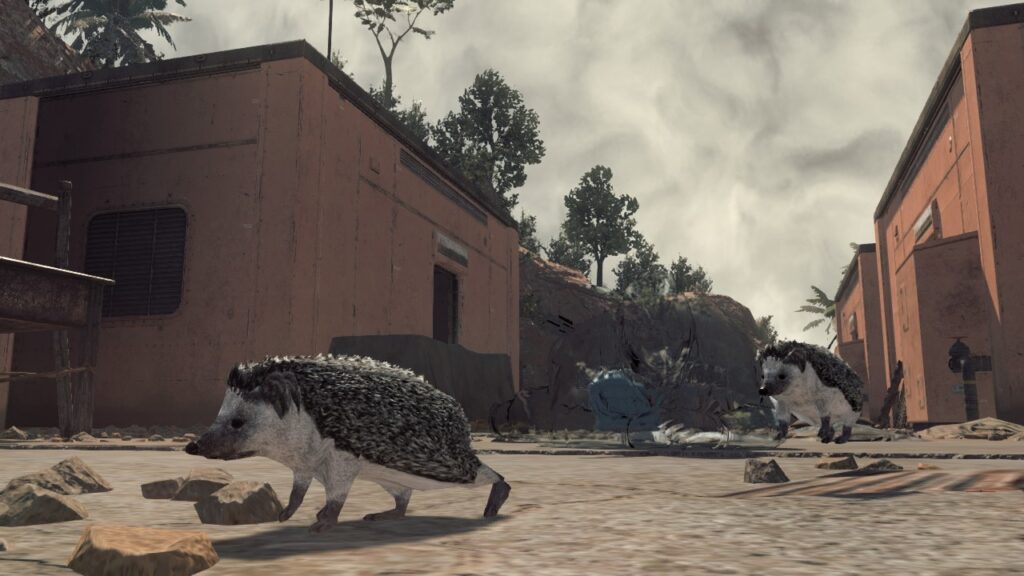
The start of Metal Gear Survive sucks.
- Yeah. It does.
- You’re weak.
- You have nothing.
Everything is slow and restrictive.
And people treated that like a flaw.
Which is insane.
Because that’s how survival games work.
- Minecraft? Slow start.
- Rust? Miserable start.
- Hardcore modes? Even worse.
That’s the entire design philosophy.
You start weak so progression matters.
But when Survive did it, suddenly people forgot how survival games work.
The Internet Didn’t Even Try
The game didn’t just get criticized.
It got destroyed by people who barely played it.
You’ve heard it all:
“Just stand behind a fence and poke enemies.”
“It’s one enemy type.”
“Survival mechanics are annoying.”
All surface-level takes.
None of them hold up once the game actually opens up.
The Enemy Argument Is Just Wrong
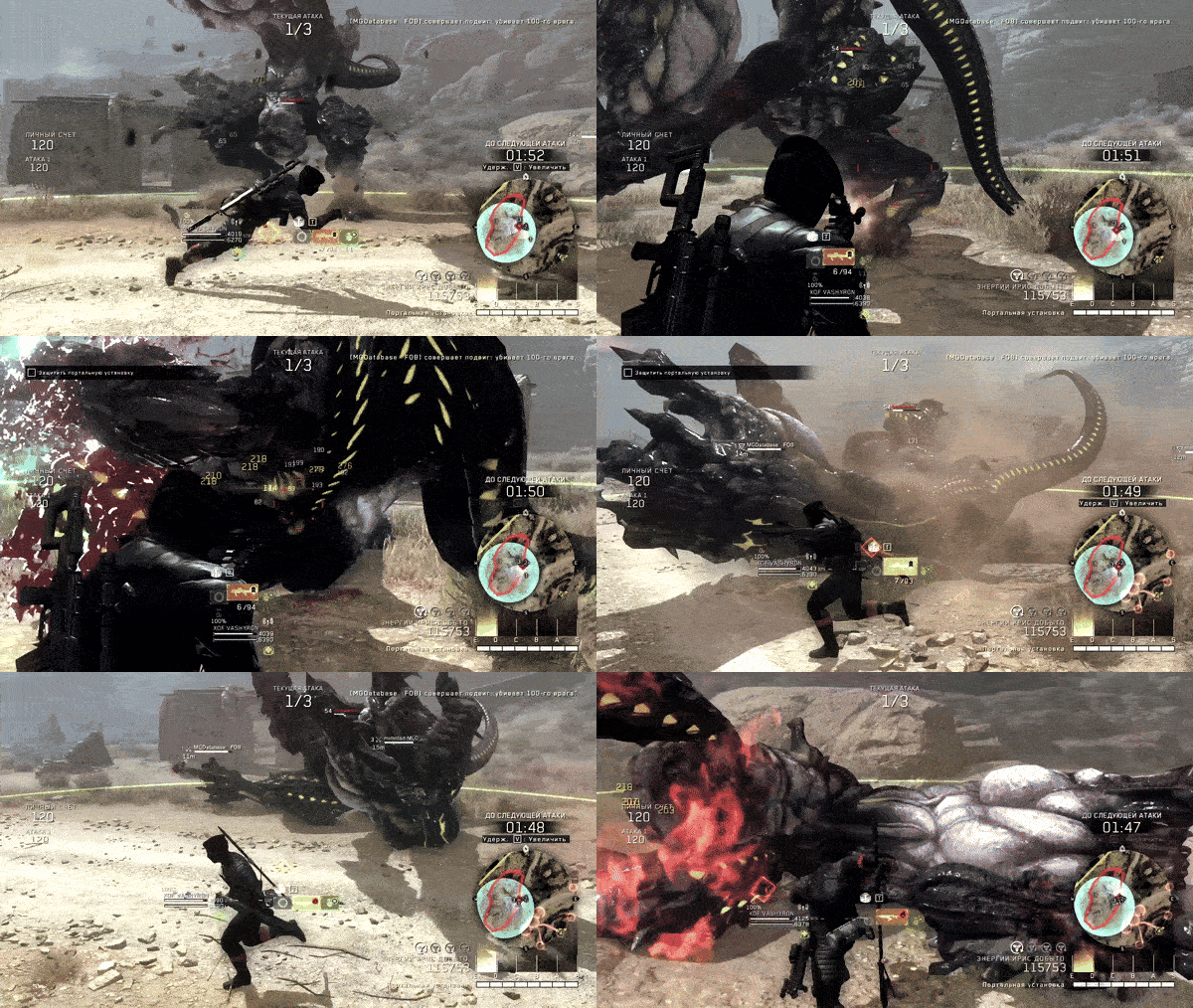
“It’s one enemy.”
No. It isn’t.
It’s one category with multiple roles:
- Standard Wanderers
- Bombers
- Watchers
- Crawlers
- Trackers
- Grabbers
- Armored variants
- Bosses
And on top of that, there are elemental variants that completely change how encounters play out.
Enemies infused with fire, electricity, and other effects force you to adapt:
- different weapons
- different positioning
- different priorities
You don’t fight them the same way.
And that’s the point.
I didn’t spend 220 hours fighting one enemy.
I spent 220 hours adapting to a system people dismissed in 20 minutes.
The “Poke Behind a Fence” Joke Falls Apart Fast
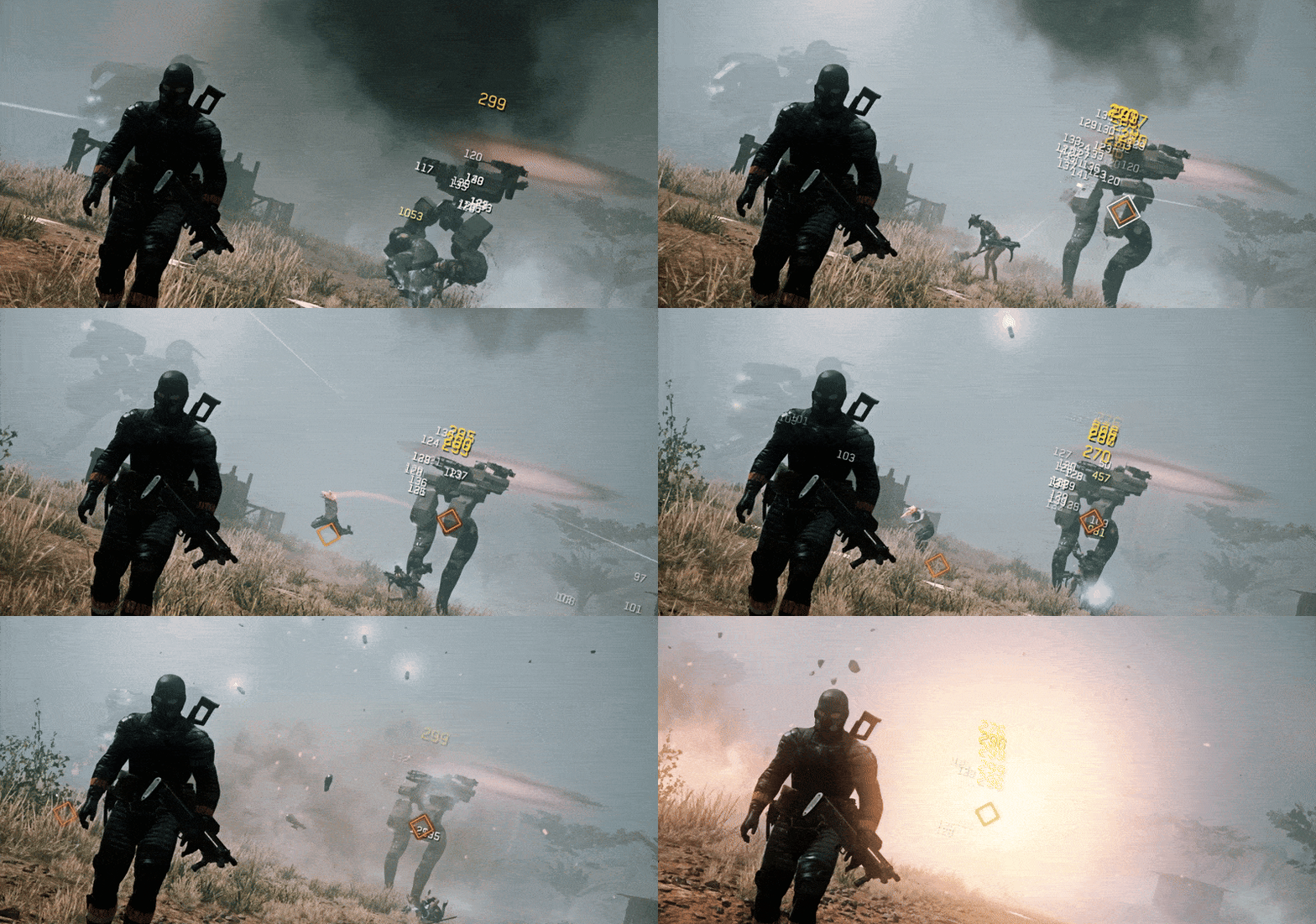
Yes, you can stand behind a fence.
For about 10 minutes.
Then:
- enemies break through
- bombers blow up your defenses
- ranged threats force movement
- faster units overwhelm you
That strategy dies immediately.
Because the game is about managing chaos, not cheesing it.
The Defense Loop Is Actually Good
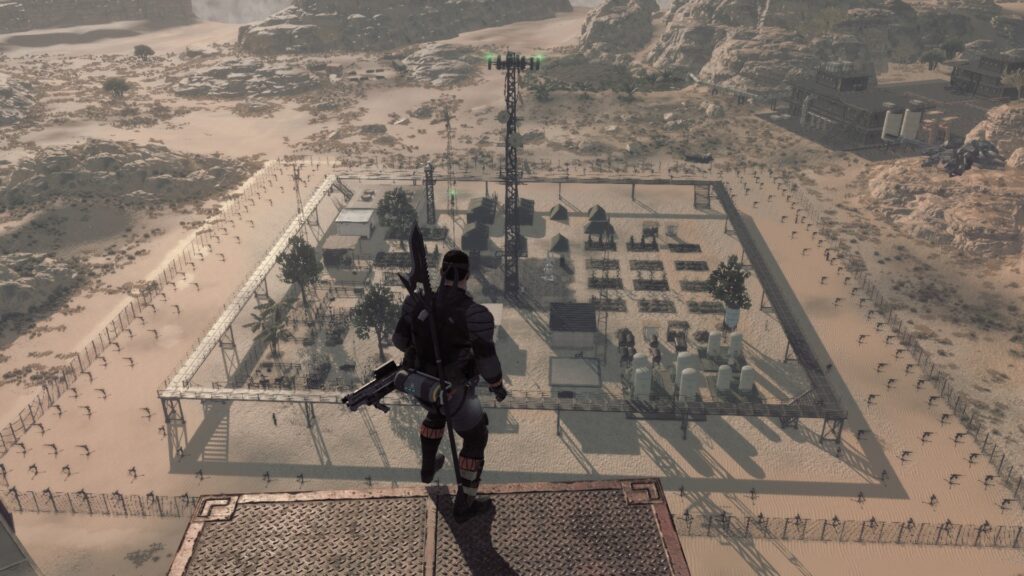
This is where Survive quietly shines.
Defense missions are tense.
- You build.
- You prepare.
- Then everything hits at once.
- And when things go wrong, they collapse fast.
That pressure is real.
The MGSV Connection – This Is Where It Gets Interesting
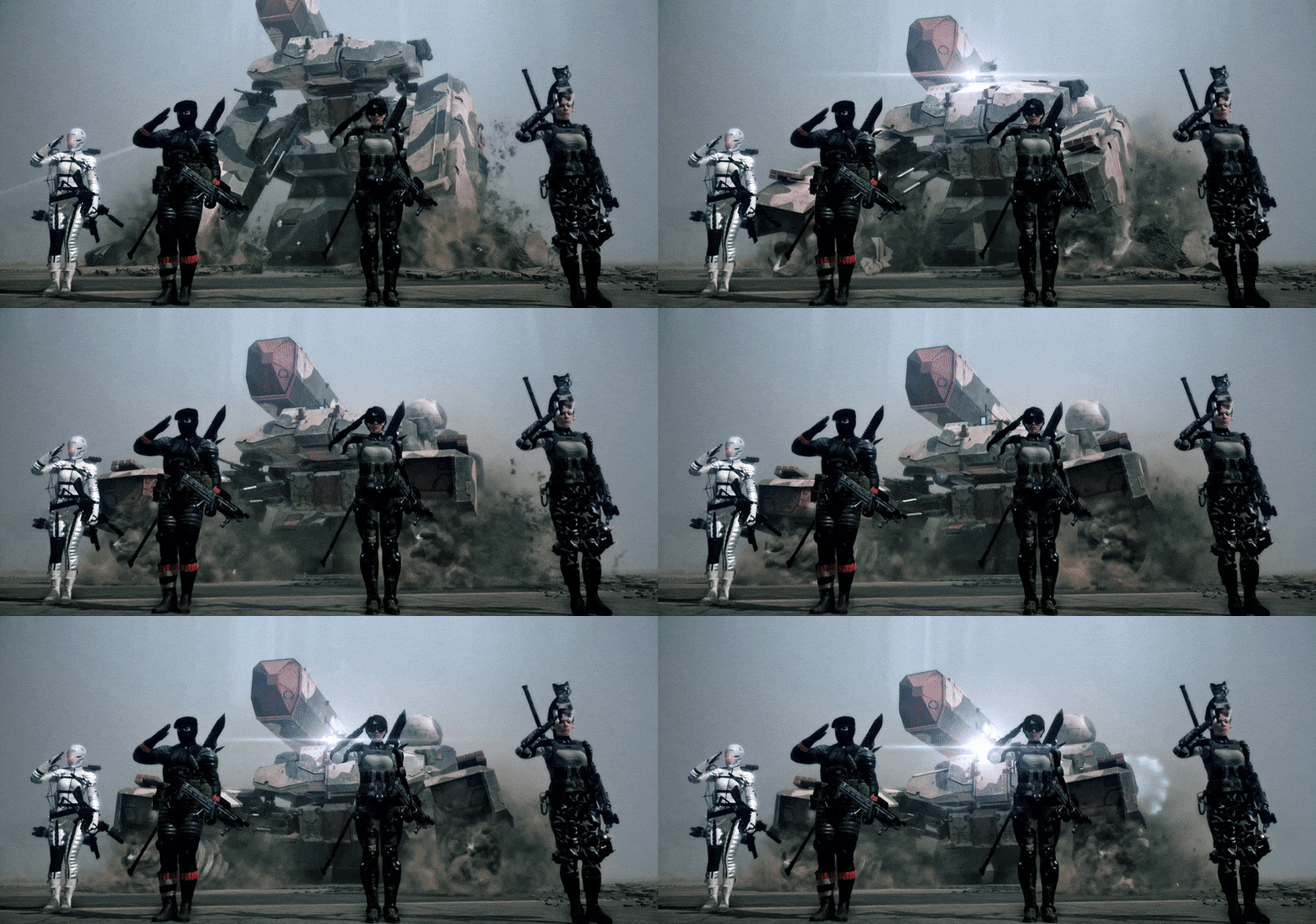
If you played Metal Gear Solid V, Survive hits differently.
Not because it reused assets.
Because it twisted something familiar into something unsettling.
You walk into places you recognize.
And suddenly it hits you:
“I know this place.”
“But it’s wrong.”
Lufwa Valley. The mansion. Areas you’ve seen before.
Same structure. Same layout.
But now they feel empty, distorted, haunted.
That familiarity turned into discomfort?
That’s not laziness.
That’s atmosphere.
When Reuse Becomes Design
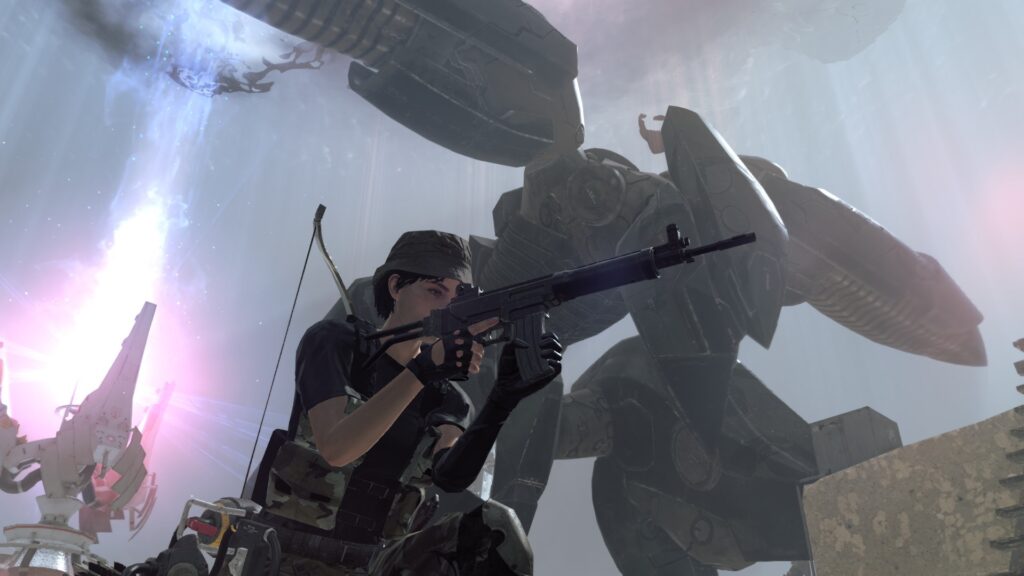
Survive didn’t just copy MGSV systems.
It applied logic to them.
Take vehicles and D-Walkers.
In MGSV:
- you use them freely
- they’re always available
In Survive:
- they’re limited
- they’re timed
- they’re finite
And suddenly they matter.
That short ride becomes valuable.
That moment of power becomes meaningful.
Because it doesn’t last.
Everything is better when it’s finite.
Survive Actually Explains Things MGSV Didn’t
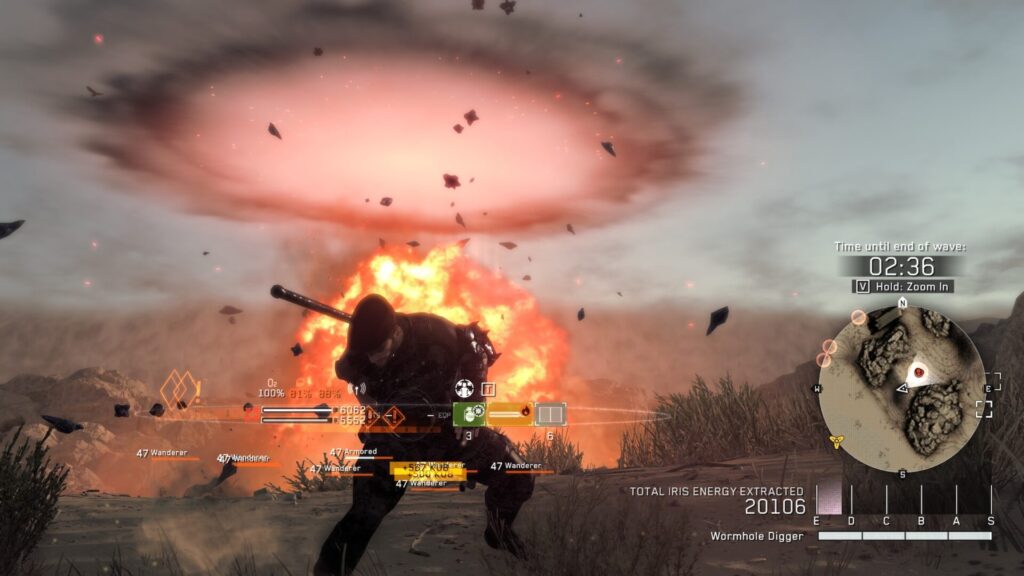
This is the part nobody talks about.
Survive quietly closes loops MGSV left open.
- The wandering soldiers? Explained through the world and endings
- The wormhole mechanics? Expanded and actually used
- The fate of soldiers after Mother Base collapsed? Addressed
There’s even a hidden outcome where entering the portal instead of fighting the Lord of Dust gives you insight into how things spiral.
MGSV introduced ideas and left them hanging.
Survive actually follows through on some of them.
Meanwhile, MGSV Just… Stops
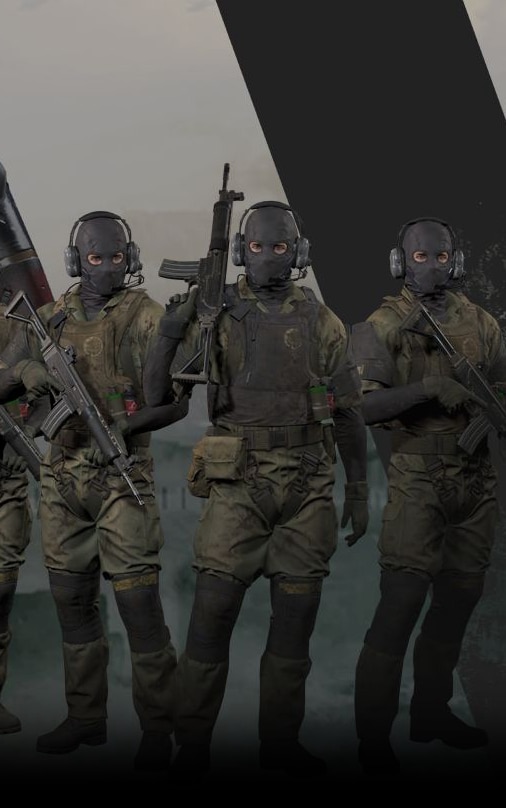
MGSV is incredible mechanically.
But narratively?
It builds up and then just ends.
No proper closure.
No full resolution.
Just missing pieces.
Survive Doesn’t Aim High… It Just Finishes
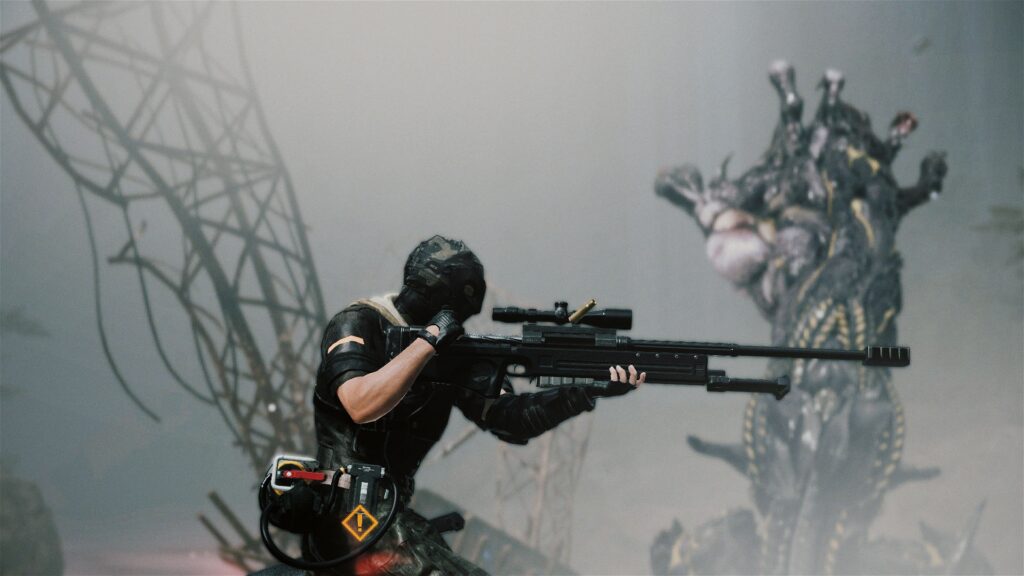
Survive keeps it simple.
And because of that, it works.
Beginning —> middle —> end.
No gaps. No confusion.
Just a complete experience.
It’s Not Perfect
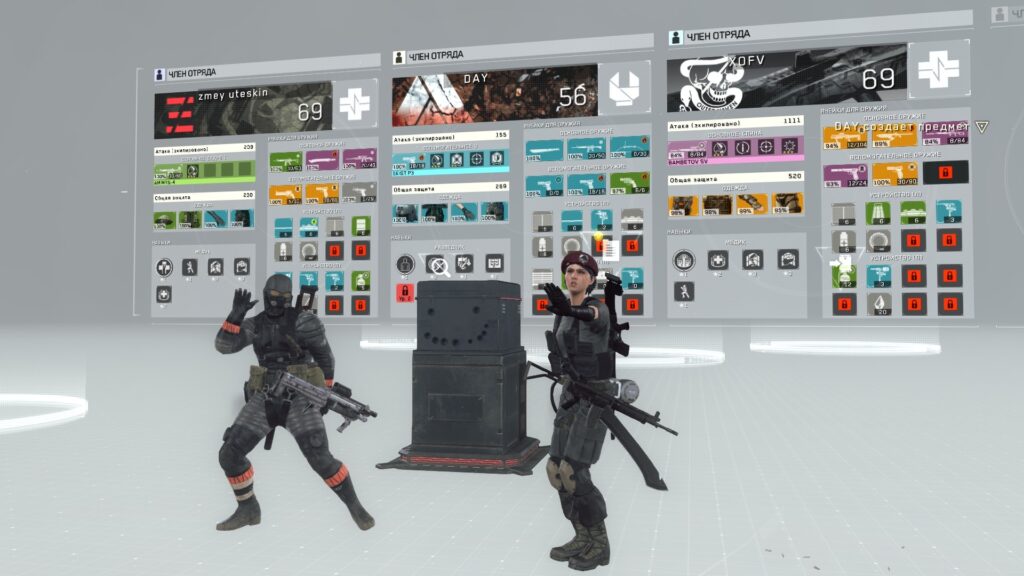
Let’s not pretend.
- Always-online is bad
- Characters are weak
- Assets are reused
- It’s a weird Metal Gear game
But those flaws don’t erase what it does right.
The Real Problem Was Expectations
If this game wasn’t called Metal Gear, people would’ve accepted it.
Instead, it got judged for what it wasn’t.
And that killed it.
The Final Truth
Metal Gear Survive didn’t fail because it was bad.
It failed because:
- people were already angry
- the narrative was set before release
- nobody gave it a real chance
And Here You Are
220 hours later…
Realizing the game everyone mocked is actually solid.
Not perfect.
But real.
And finished.
Metal Gear Survive isn’t a masterpiece.
But it’s not the joke people pretend it is either.
It’s a complete, functional game that got buried under a war it didn’t start.
And honestly?
It deserved better.